Over the last year, more than 22 Black people have been found hanging, with some of the deaths ruled as suicide. Christopher Edwards, North Carolina Central adjunct professor of psychology, said a Black person committing suicide by hanging from a tree “would be considered epidemiologically rare.” This is to say, Black people don’t typically hang themselves.
I join with all who demand an end to the hangings, which suggest lynchings, and justice for all those killed.
Here are some of the people hanged, and where they were found:
- Torrance “Tory” Medley, 39: Brookfield, Wisconsin, Nov 2025. Police said surveillance footage showed no probable cause of a crime. His family hired their own attorney and independent pathologist, and the results haven’t been made public.
- Kyle Bassinga, 21: Cobb County, Georgia, Feb 2026. Video showed him entering the woods alone, and his death was ruled a suicide.
- Juliana Nzita, 16: Charlotte, North Carolina. Found on church property in spring 2026 after 11 days missing. Investigators found no evidence of foul play.
- To’Nea Nicole Miller, 27: Miami, June 18. Ruled a suicide two days later, which her eldest sister disputes.
- Justice Kai James, 21: Albany, Georgia, June 21. Ruled a suicide about a month later. His aunt says the footage wasn’t shared with her.
- Jerard “Jay” Jackson, 28: Rothbury, Michigan. Found near a music festival, ruled a suicide by police.
- Tasia Fortune, 29: Jackson, Mississippi, Aug 3. Police are investigating it as a potential homicide. A man was named a person of interest and charged with a gun offense, but the death itself is still under investigation.
- An unnamed man, 32: Raleigh, Aug 15. Police say the video shows him acting alone, and his mother said he had struggled with mental health issues.
- Demetrius Fleming, 38: Roanoke Rapids, North Carolina, Aug 21, found in an apartment. Police call the case equivocal and haven’t settled on suicide or homicide.
- Demartravion “Trey” Reed, 21: Delta State University, Mississippi, Sept 2025. The state medical examiner found no evidence of foul play, but his family wants answers.
- Wendell Jackson, 21, a junior at Denison University in Granville, Ohio, Aug./Sept. 2025. the death was ruled a suicide by hanging.
- Nolan Wells, 18-year-old Black college student from Ocean Springs, Mississippi, who died following a July 4 trip.
The Atlanta Black Star reported seven cases. The Nubian Message reported that “independent tracking from various groups recorded at least 22 Black individuals found under these unusual circumstances between March 2025 and Aug. 2026.”
US News, one of the few corporate media outlets to cover this issue, said: “The death of Tasia Fortune, a Black Mississippi woman found hanging from a tree, has stirred distressing memories of the grim U.S. history of lynchings.”

I agree with the article that, regardless of the circumstances of the case, the imagery of a rope and noose evokes the historical legacy of lynching and vigilante violence against Black people in the U.S. and brings with it deep pain and trauma. Oppression in the United States has always been linked not just to low wages, bad working and living conditions, lack of access to services, but also to imprisonment and lethal extra-judicial violence, including lynchings.
“Black folks down here in 2026, we are feeling and experiencing some of the same things we felt in 1956 and 1966 and that should not be happening,” Jackson activist Brad Franklin said of Tasia Fortune’s death. “But because it’s Mississippi and the racist history of our state, our skin has been toughened a lot to deal with it.” The people of Mississippi should not have to depend on “toughened” skin to deal with this, or any, racist violence.
The Grio article, Black people are being found hanging from trees. Why are officials so quick to call it suicide? by Haniyah P., reported “over 70 modern-day lynching cases have taken place across TX, LA, MS, AL, TN, GA, and FL since 2000.” Lynching is defined as a multiple perpetrator homicide, targeting a group or individual, driven by race, gender identity, or other bias with the intent of causing community terror or carrying out an extrajudicial homicide for a perceived threat or wrongdoing. Experts have noted that lynching is one of the hardest hate crimes to prove, and is often ruled as a suicide initially.
These murders are occurring mostly in U.S. southern states: Mississippi, North Carolina, Georgia, and Miami, but a hanging also occurred in Roxbury, Michigan. The problem is a national problem.
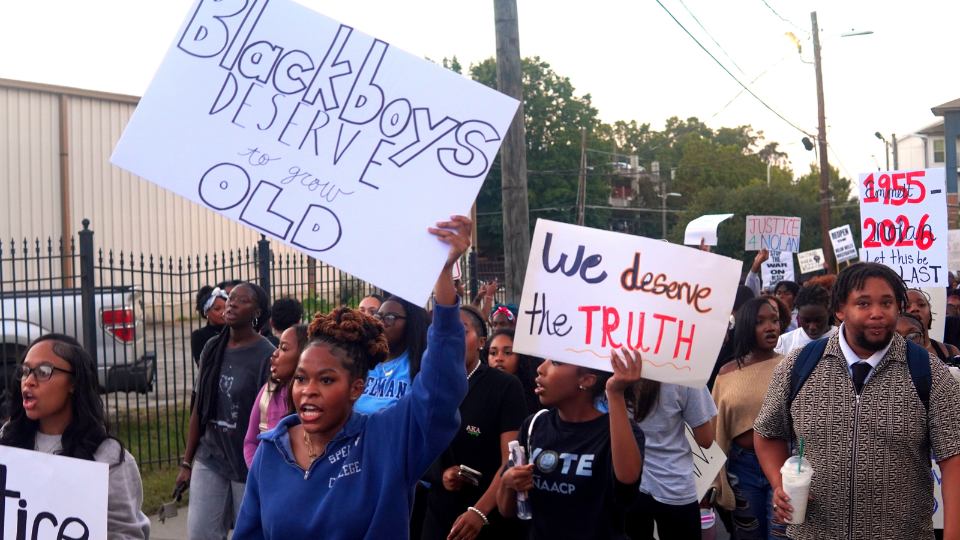
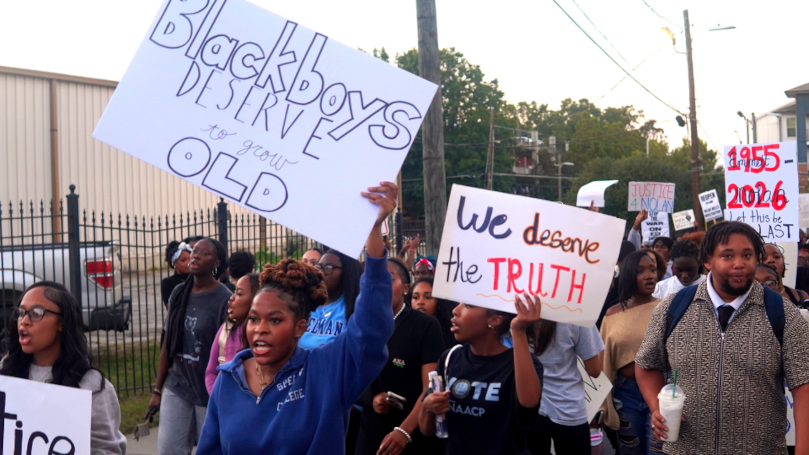
Spelman College NAACP chapter organized a protest march against the killings. A’nija Hughley, chapter president, said “What we really want from this march is to make students in the AUC aware about the situation.” On top of that, the students wanted to send a message to the AUC administration that they “are not going to be silent or apathetic to situations like this, and that we actually care about what’s going on, and we want to do something to fight back against it.”
 These killings are taking place in a context of Trump and MAGA inspired racist violence and counter-revolution against the wins of the Civil Rights period of 1950-1970, the heinous violence against people of color under the guise of “immigration enforcement,” and the more normalized violence of an inhumane prison-industrial complex which destroys Black and brown, and working class, families and individual lives.
The Trump administration’s attacks on voting rights, democracy, birthright citizenship, public schools, healthcare, food accessibility (SNAP, rising prices), and much more is further racist violence against the Black community, and all working and oppressed peoples, women, and youth.
In a denial of concrete reality in favor of a white supremacist fantasy, Trump asserts it is white people who are the victims of systemic and individual racism — while he implements racist policies meant to disenfranchise and oppress working and oppressed peoples, and to erase whole communities from the public view.
As reported by Robyn Williams on the National Urban League website, “The president said the 1964 Civil Rights Act, which sought to end race-based discrimination and segregation and provide Black Americans with equal access to education and employment, ‘accomplished some very wonderful things, but it also hurt a lot of people.’
“‘People that deserve to go to a college or deserve to get a job were unable to get a job,” Trump told the New York Times. ‘So it was, it was a reverse discrimination.’”
While all people, and especially working and oppressed peoples, deserve to go to college and to work dignified jobs, Trump is denying the need to address the current and historical presence of systemic racism. The economic issue of whether all working and oppressed peoples, and women and all youth, can get a good education is not being addressed at all by the white supremist Trump administration. Instead, access to education is being used to disenfranchise and erase working and oppressed peoples from campuses and professional jobs. Racism is still alive and well, stalking the lives of Black and brown folks with nooses, sub-par living conditions, and prison cells.
Add to that the fact that the MAGA folks in the White House, Congress, and on the Supreme Court think and act like members of the KKK.
The NAACP Legal Defense Fund, along with families and advocates, has called for transparency, independent oversight, and thorough autopsies in the hanging cases. Rep. Ayanna Pressley led nearly 60 lawmakers in demanding a federal investigation. Their letter said inaction by the federal government is tantamount to complicity.
 The current environment of racist violence will not be ended without collective action by all people united for justice and equality, and turning out to the polls to vote in November to replace the MAGA elected officials supporting it.
Politically, all civil rights gains achieved over the last century now lie fallow. From MAGA’s standpoint, the U.S. ruling class has revived Chief Justice Taney’s infamous dictum in the Dred Scott case that a “Black man has no rights a white man is bound to respect.” The same can be said for civil rights for all people of color, women, LGBTQ people, and workers.
A pitched battle is occurring across the country. We saw it in the January political strike and marches in the Twin Cities. Struggles in Los Angeles, Chicago, New York, Cleveland, and Detroit over the last months bear witness to this truth. It was present in the mass walkouts of high school students and will be seen again in the “No Kings” protests on October 17. Working and oppressed peoples are standing in unity with others against ICE. Demands for justice around the lynching of Black folks have been voiced, but more needs to be done.
How do we stop the lynchings? How do we curtail the Trump inspired atmosphere of intense white supremacy? How can we stop the chaos and the anti-democratic winds blowing from the White House? As Joe Sims, co-chair of the Communist Party USA, said: “Marching is vital, but it is not enough. We must use every tool in the toolbox: occupy, sit-in, write letters, canvas door-to-door, register, and vote.”
United together we can stop the racist attacks and the lynchings. I join with all who demand the full investigation of the hangings and for justice for those killed and their families.
The opinions of the author do not necessarily reflect the positions of the CPUSA.
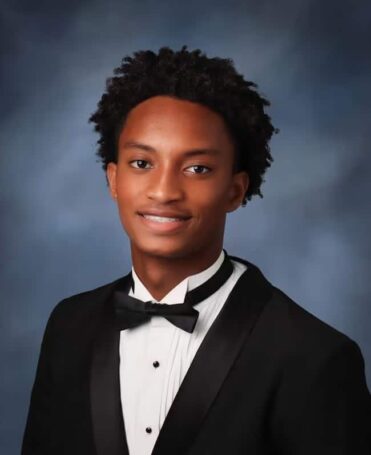
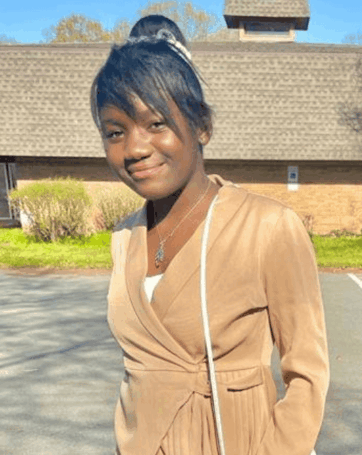
Images: Atlanta University Center (AUC) students march to demand a closer look into the death of Nolan Wells, Oct. 1, 2026 by Erica Meade/People’s World. CC BY-NC-ND 3.0. To’Nea Nicole Miller, Nolan Xavier Wells, Juliana Umba Nzita by Shades of Red / Legal Defense Fund. Public domain.
Author

-
Eric Brooks was born in Brooklyn, New York, and currently lives in Indiana. He is a life-long organizer in the struggle for working class power and socialism.
 Join Now