

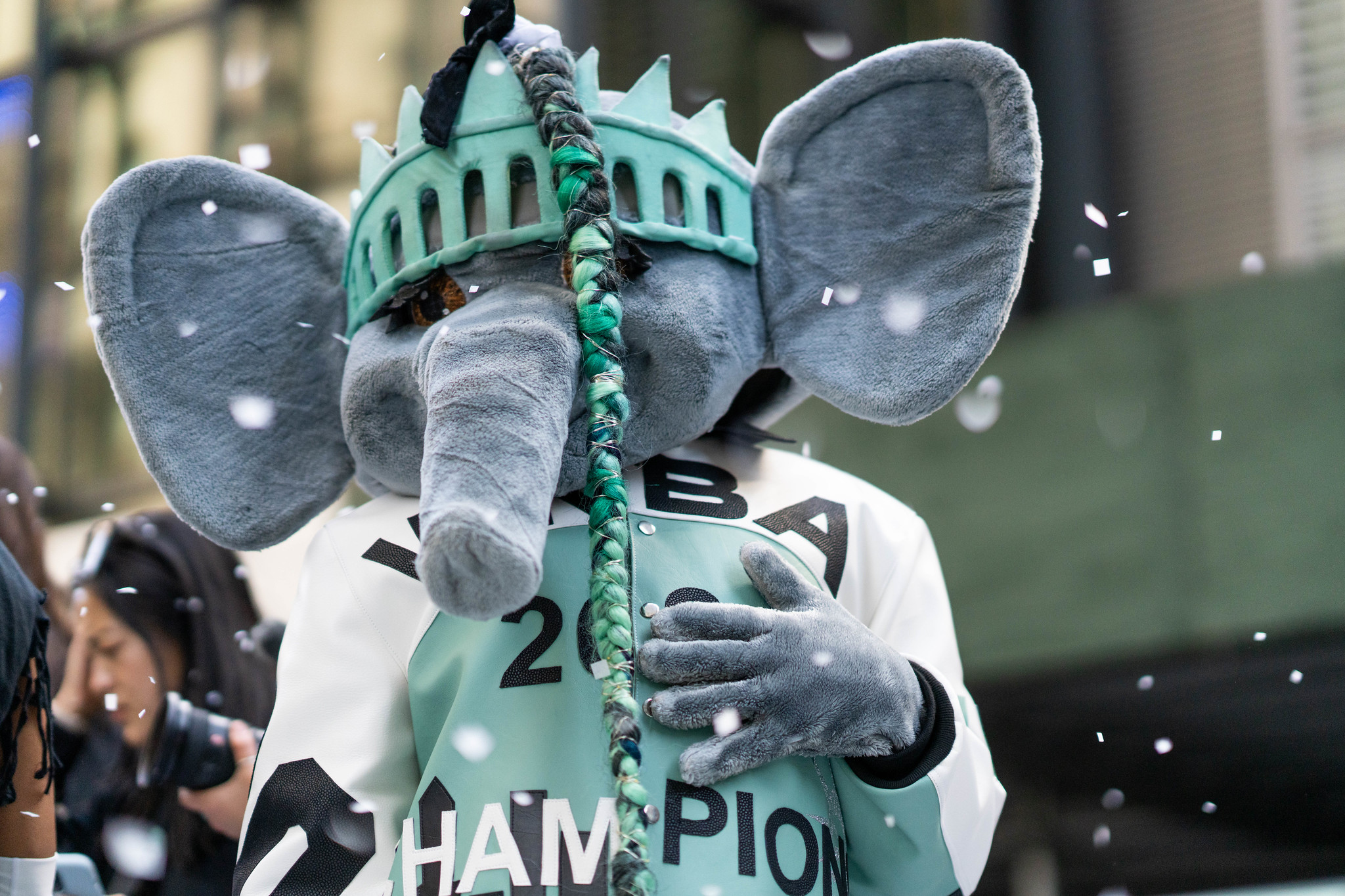
On a rainy day in May, Barclays Center is bustling with fans turning up for the New York Liberty, Brooklyn’s women’s professional basketball team and 2024 national champions. The stadium is packed with children clutching their Ellie the Elephant plushies, New York die-hards in their Knicks gear, and men and women of all ages sporting their favorite Liberty jerseys.
The crowd is an ocean of sea-foam green, the same color as the oxidized copper of the Statue of Liberty — the monument from which the team takes its name. Ellie the Elephant, the carefree twerking team mascot named after Ellis Island, stomps through the court supported by cheers and laughs.
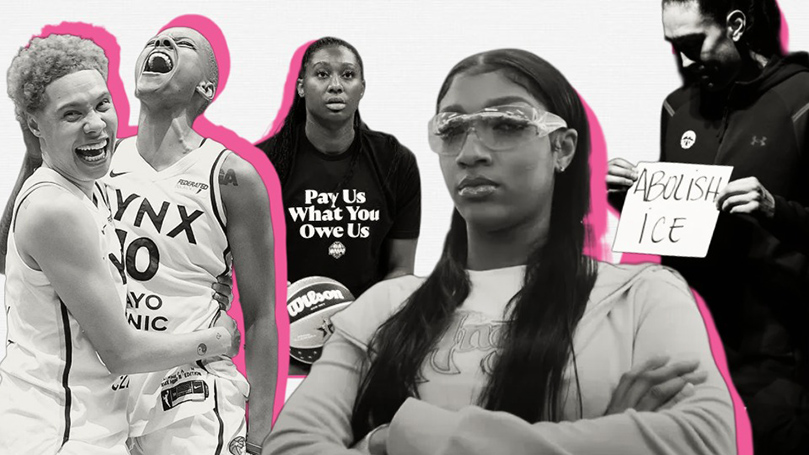
The historical identity of the team is one that has taken on a new meaning in the current political moment. Lady Liberty, a symbol of freedom and democracy, was the first thing many immigrants saw upon their arrival at Ellis Island in the late 19th and early 20th centuries. At a time when the White House is selling exclusion, nationalism, and hatred, the Liberty sell a different vision of America: a collective, multicultural, politically conscious country and one that’s unapologetically loud about it. “We all we got, we all we need” says the liberty team mantra, a unifying call to anyone who has been left out or left behind. One that says you might not want us here — but we’ve got each other. In 2026, women’s basketball is not just a game on the court, but a grand-scale cultural battle on the political stage.
The Women’s National Basketball Association (WNBA) began its 30th season on the court in early May 2026. This year’s season includes two brand new teams including The Portland Fire and The Toronto Tempo, making the association’s number of teams total 15. The WNBA announced its expansion plans last summer, and in the next four years is set to have teams in Cleveland, Philadelphia, and Detroit.
This comes after the recent mainstream success the WNBA has experienced, garnering 17 million new fans in just the last few years thanks to star players like Angel Reese, Caitlin Clark, and Paige Bueckers. The team franchise valuations have exploded and in 2025 produced around $410 million in revenue. The WNBA has for years had competitive games and talented teams who’ve played just as hard as the boys — but what’s changed?
Mainstream American culture and politics have become increasingly fixated on gender. Bioessentialism claims biology is destiny: that being born with certain biological traits means one is inherently a certain kind of person, with predictable traits, limitations, and proper place in society. This is a key component of the right wing’s view of gender.
While we stand in the midst of a full blown civil rights attack, it’s no wonder that women are a central part of the debate. As a result of the civil rights gains made in the 1960s, in 1972 Title IX of the Education Amendments was enacted by Congress. This amendment prohibited discrimination against and exclusion of women in federally funded schools, universities, and colleges, including within sports. The change resulted in more funding being put into girls and women’s sports teams, which allowed more girls opportunities to develop their interests and talents in athletics. Now, in 2026 after decades of struggle to maintain and uphold this amendment, women’s professional sports are finally blooming.
Title IX is something the Trump Administration has taken an interest in, at first trying to rescind protections for women, and then after dropping it due to widespread backlash, now tries to twist the amendment to serve its own agenda — namely to further discriminate against transgender people.
In 2025, President Trump signed an Executive Order titled “Keeping Men Out of Women’s Sports” where the administration argues that the inclusion of transgender women in sports “endangers” and “humiliates” cisgender women. But this bigotry is thinly veiled, when the administration is also using Title IX to try to expand protections for accused predators — making it harder for women and girls to report sexual assault on campuses. This is the far-right that protects sex offenders, tries to limit women’s participation in professional fields, and wants to strip women of their bodily autonomy. Yet they want us to believe they are the ones who keep women safe.
This contradiction reveals a deeper truth about their opinions on women. The bioessentialist rhetoric that says that women can’t be athletic, also says women aren’t as smart and can be easily controlled. The right believes the women of this country will be too weak to fight back and easily manipulated by fear-mongering. But increasingly, women seem to be refusing to take the bait. Instead of viewing immigrants or trans women as their enemy, women are recognizing the true opponent in the game as the system which tries to turn marginalized groups against each other.
Across the league, women are consistently subjected to “transvestigation,” a hate-filled conspiratorial practice which subjects individuals to intense investigation of the status of their assigned sex at birth.
While the WNBA currently has no openly trans players, transphobia is something players are all too familiar with. Across the league, women are consistently subjected to “transvestigation,” a hate-filled conspiratorial practice which subjects individuals to intense investigation of the status of their assigned sex at birth. Phoenix Mercury player Brittney Griner has experienced this kind of harassment for years, being the target of right wing media not only for her identity as a lesbian, but because her voice and appearance do not fit into limited ideas of “womanliness.”
Bioessentialist lines of thought coming from the right, can’t understand that some cisgender women have deep voices, tall statures, flat chests, or muscular builds. This pseudo-science not only is the basis for the bulk of anti-transgender attitudes, but also insinuates that cisgender women do not have strong athletic abilities, an age-old misogynistic lie which many believe as a determined fact.
In the NBA, Orlando Magic player Jonathan Isaac spoke on the topic of trans athletes saying, “I believe that men and women are different. I believe that men do not belong in women’s sports, that’s a fundamental belief I hold. For reasons, one I’m a guy and I can understand the difference and the advantages that we have…” Isaac and other men like him may think they’re being chivalrous by wanting to “save” women from being overpowered in sports but in truth, human biology has a vast spectrum of characteristics, and it’s illogical to limit and confine us into strict biological expectations.
There are many examples of cisgender women beating cisgender men in sports not just due to size, but out of pure talent and skill. Rookie player Sarah Barker of the Los Angeles Sparks went viral for playing a 1v1 game with a man online who boasted he could beat any woman in the WNBA, simply based on the fact they were a woman. In a playful video, the two compete, she wins, and he offers an apology to the WNBA. “If you think I was hard,” she said, “ imagine my teammates who are literally the greatest of the great.” While the man was seemingly trolling in his original post, his view is one that many men genuinely hold. We all may recall the poll that made headlines in 2018, which showed that 1 in 8 men believed they could beat Serena Williams in a tennis match.
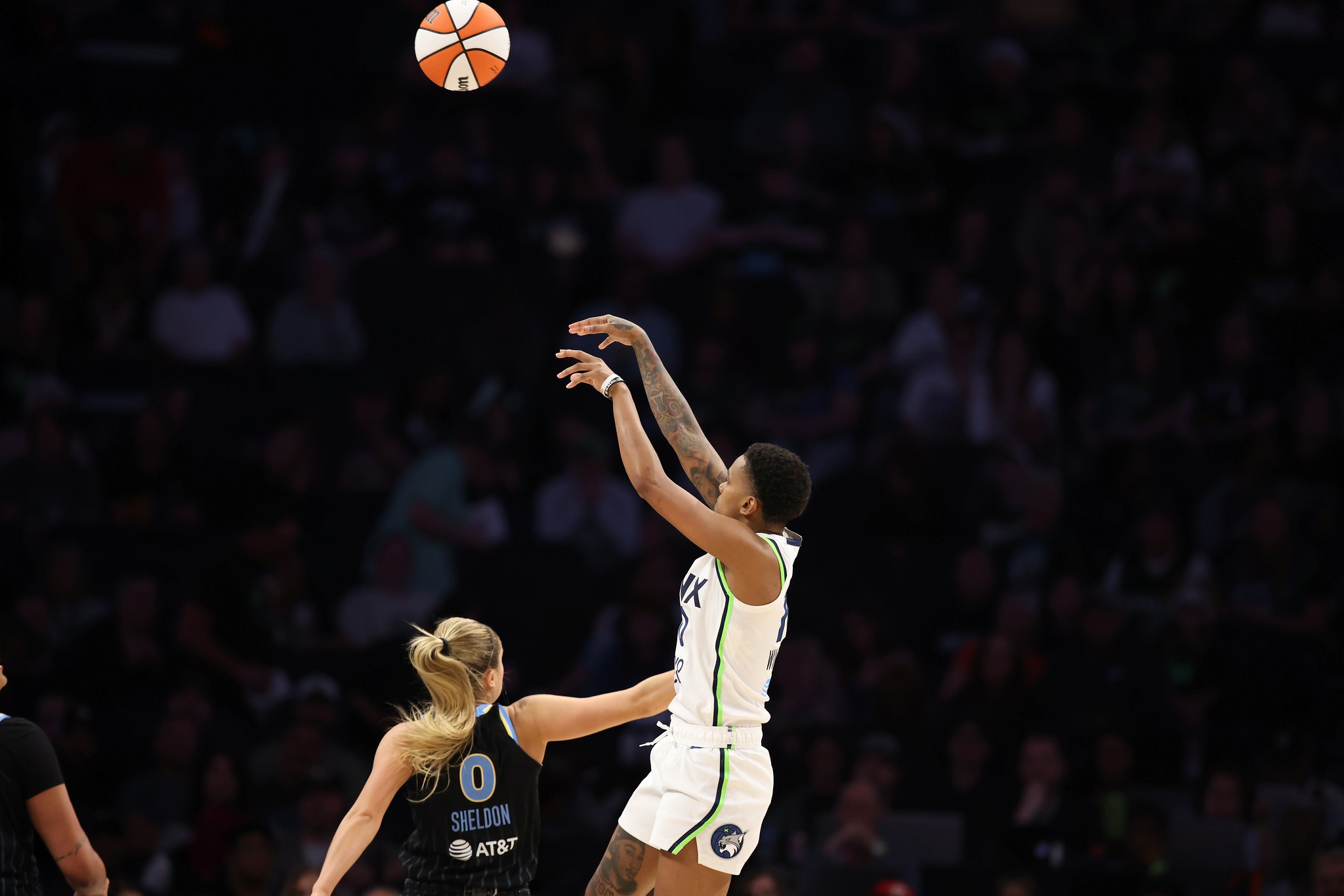
What many cisgender men in sports don’t yet realize is that they too will be affected by anti-transgender policy. There are calls for sex verification testing in sports that would put all athletes, transgender or cisgender, man or woman, under needless invasive exposure to panels of strangers in order to verify their genitalia. In contrast to some men in the NBA, many WNBA players across the league recognize the importance of speaking out against transphobic ideology and practices.
Las Vegas Aces player, Brianna Turner, recently wrote an op-ed titled “I’m a WNBA player. Don’t use athletes like me to exclude trans women.” where she states “In more than 15 years of organized basketball, I’ve played with and against people who are transgender and undoubtedly people with intersex variations, and I’ve never experienced any unfair advantages. I saw these players as my fellow athletes, not my enemies.”
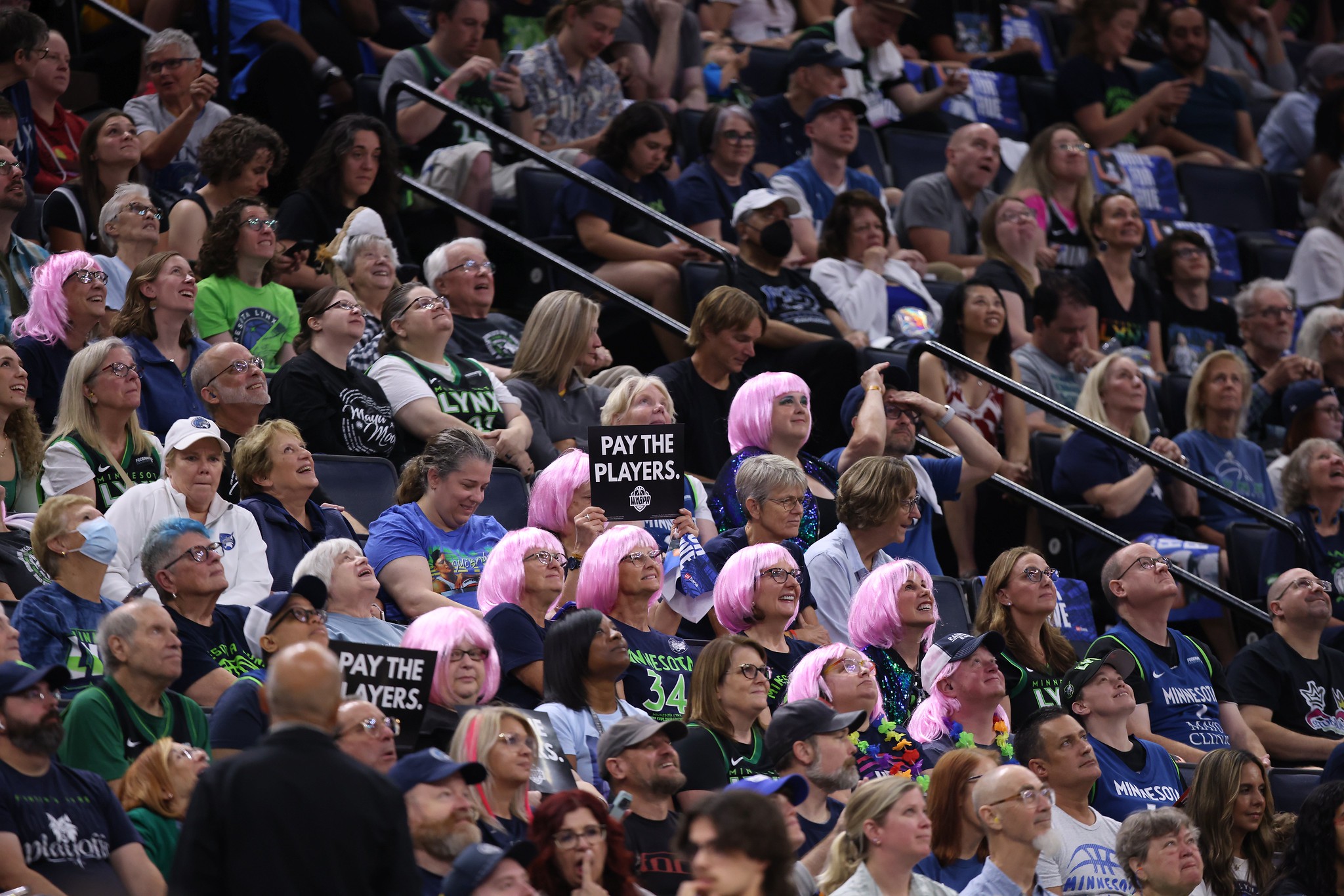
And New York Liberty star Breanna “Stewie” Stewart who said, “The ‘safety’ of women and girls remains one of the most inaccurate and unjustifiable arguments for why anti-trans efforts are advocated for in this country…I firmly believe we should be passing laws and establishing policies that are inclusive of the transgender community and afford them every opportunity to succeed both in sport and in society.”
Stewart is a lesbian and is part of the 25% of WNBA players who openly identify as members of the LGBTQ+ community. Not so surprisingly, the WNBA was the first national sports association to support Pride month. While NBA players are catching hundreds of thousands of dollars in fines for homophobic rhetoric, women in the league continue to set the bar high both on and off the court.
Although the WNBA is experiencing a mass wave of support, there is much work to be done when it comes to addressing the systemic inequities, discrimination, and harassment that all women face in the workplace.
In their latest collective bargaining agreement, the Women’s National Basketball Players Association (WNBPA), secured major gains that have dramatically increased player benefits. The 7 year agreement, which begins this season, most notably has drastically increased the salaries of players. The minimum salary just last year was set at a measly $66,000. Today the minimum salary is $500,000.
Caitlin Clark, one of the most famous women’s basketball players in the world, had earned a salary of only $78,000 in 2025, now she earns over $500,000. And Las Vegas Aces legend, A’ja Wilson — the WNBA’s only four time MVP — who previously took home a humble $200,000 for her level of experience, has secured a historic 3-year 5 million dollar super-max contract.
For perspective, in the NBA, a last-picked drafted rookie’s starting salary is a little over 2 million dollars a year. This means the least skilled rookies of the NBA make more than the very best, most seasoned players of the WNBA. Before securing these gains, many WNBA players had to play in leagues overseas to provide for themselves in the off-season. Memorably, this is the reason why Brittney Griner, who was imprisoned in Russia for possession of 0.7 grams of THC, had to go out of the country in the first place.
She said of her experience: “The whole reason a lot of us go over is the pay gap…A lot of us go over there to make an income to support our families, to support ourselves.” The tragedy of Griner’s 10 month imprisonment is that she would not have had to leave if she had been fairly compensated at home.
The precarious conditions of all women, even internationally famous ones, lead them into the throes of systemic violence. In an international report, From Poverty to Punishment published in 2025, researchers found that the global female prisoner population has grown by 57% since the year 2000. The researchers concluded that the reason for the rise in women’s incarceration was “poverty, abuse, and discriminatory laws.”
Griner’s situation, while unique, is reflective of many women’s experiences who are subjected to hardships exactly because of systemic patriarchal oppression that works in tandem with capitalist super-exploitation.
The struggle for women’s salaries in the WNBA reflects a broader struggle not only for women to be paid equitably, but for their work to be recognized as valuable.
While still nowhere near the level of pay NBA players receive, the WNBA is well on its way to breaking down the disparities in the professional basketball wage gap. The win did not come easily, with commentators arguing that women’s players salaries couldn’t be raised because there wasn’t enough money. But players asked — if the league wasn’t profitable why were so many companies and billionaires investing in it? The struggle for women’s salaries in the WNBA reflects a broader struggle not only for women to be paid equitably, but for their work to be recognized as valuable.
Capitalists continue to ignore women until it becomes profitable. Corporations too easily “celebrate” women in sports, without actually recognizing women as professionals who deserve to be fairly compensated. This reflects a larger problem in American society which may give women a pat on the back, but does little to support women in material ways that go beyond symbolic gestures.
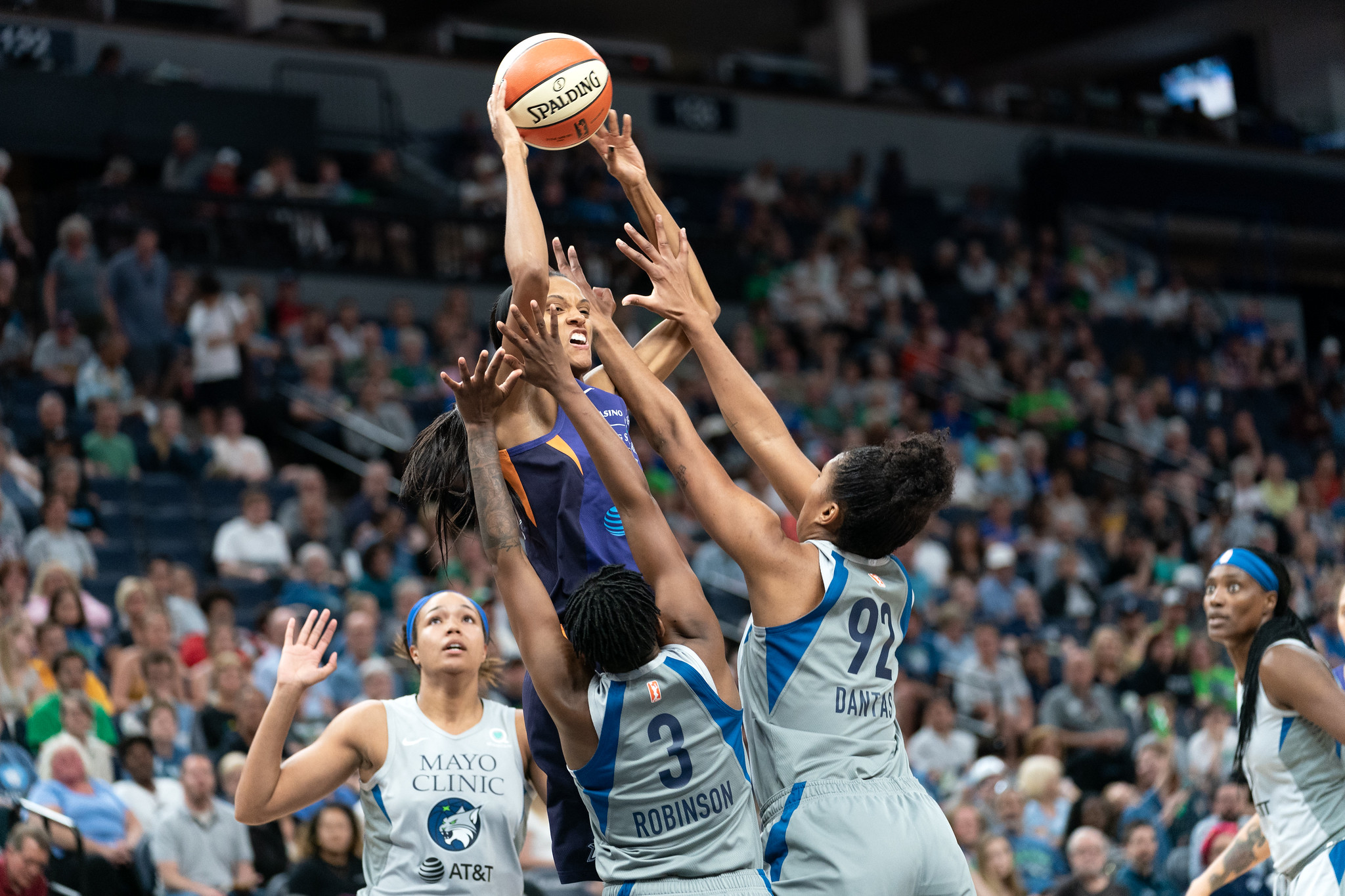
Even with support coming in from millions of new fans, with all that attention and fame come problems. Throughout the 2025 season players experienced large amounts of sexual harassment both online and in person. AI-generated videos and images of players naked were being spread online. Sex toys were being thrown onto the court. A cryptocurrency group took credit for the organized harassment saying it was an opportunistic stunt to get attention to their crypto coin. Donald Trump Jr. during the midst of the spectacle, shared an edited image of his father throwing a green dildo onto a WNBA court, further fanning the flames of the red-pilled misogyny that has become ever-increasingly present in society.
Caitlin Clark was the subject of stalking and harassment by a 55-year-old man who has since been sent to prison. These instances of harassment are not new for women in any profession, but have become highlighted by the position these women hold in such a public and male dominated industry. Already criticized for being too emotional and not tough enough to compete, these women face ridicule when they speak out. After the first dildo-throwing incident some players laughed it off, but after it happened at least 7 more times, other players had to put their feet down.
New York Liberty player Isabelle Harrison wrote on X, “Do better. It’s not funny. never was funny. Throwing ANYTHING on the court is so dangerous.” Instead of putting their heads down and “taking a joke” these women are becoming louder about their refusal to be disrespected.
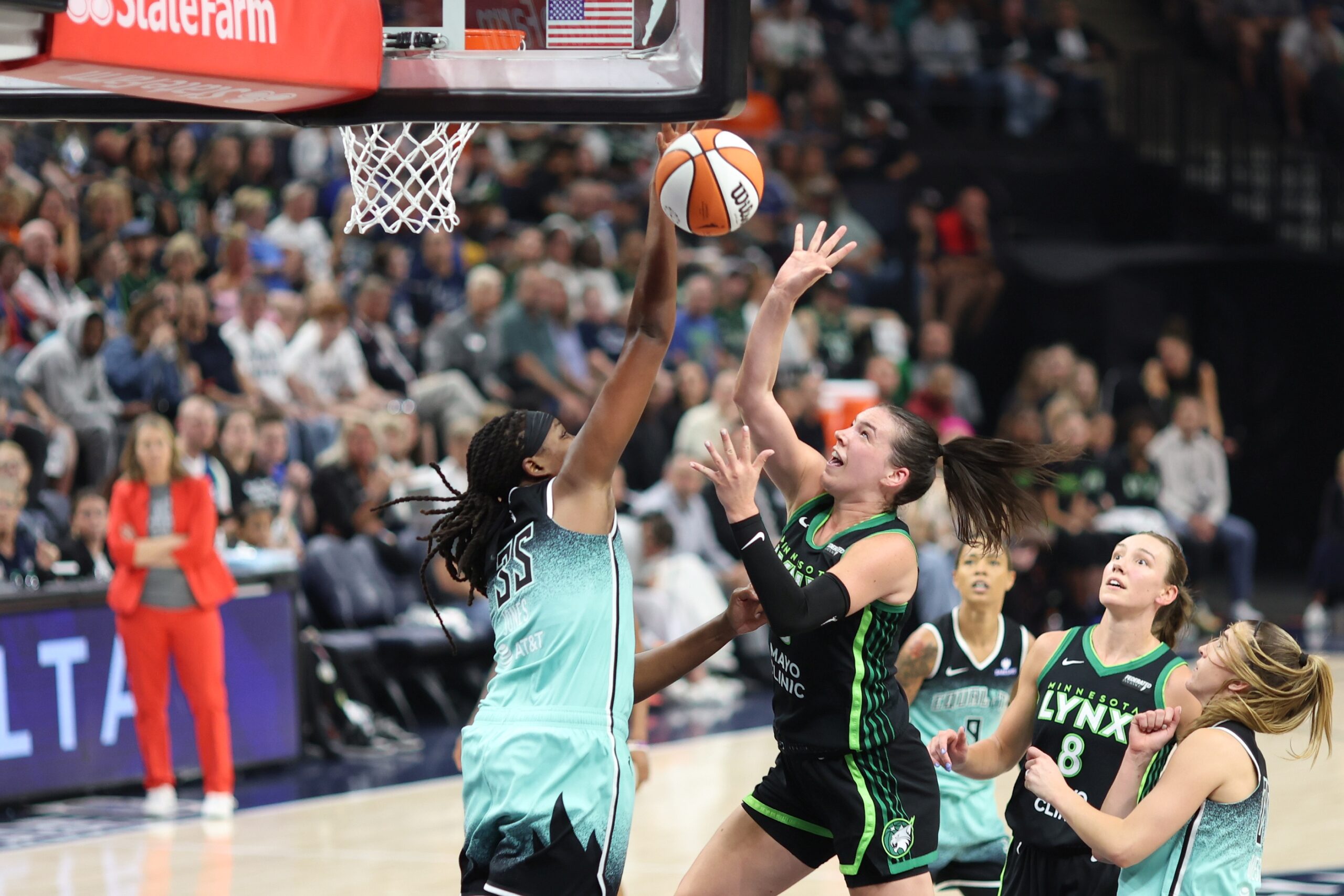
The girls in the game are no stranger to putting up a fight. The rivalries within the league have been entertaining for anybody who loves a good competition, but for some reason these competitive spats have been reduced to “catfighting.”
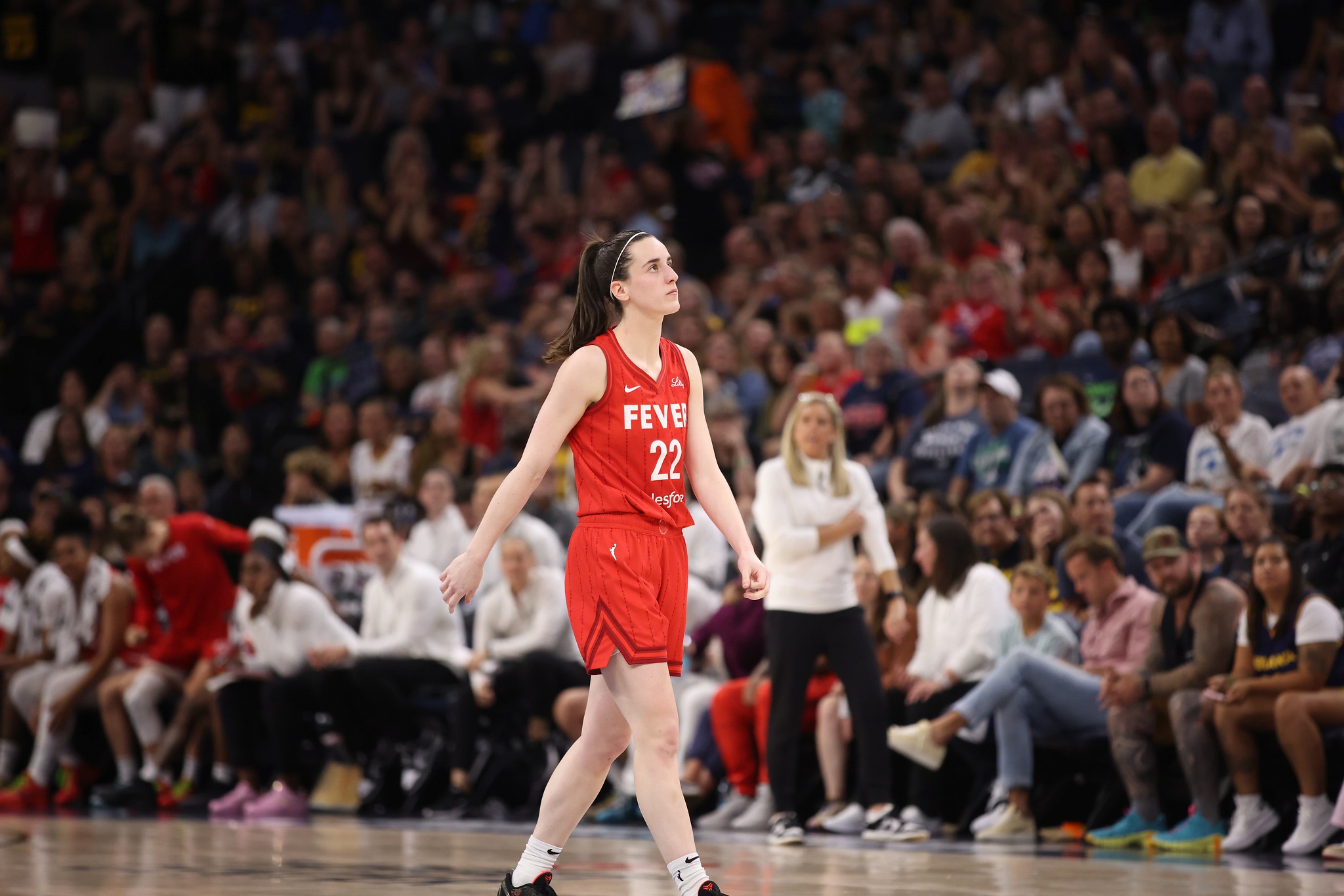
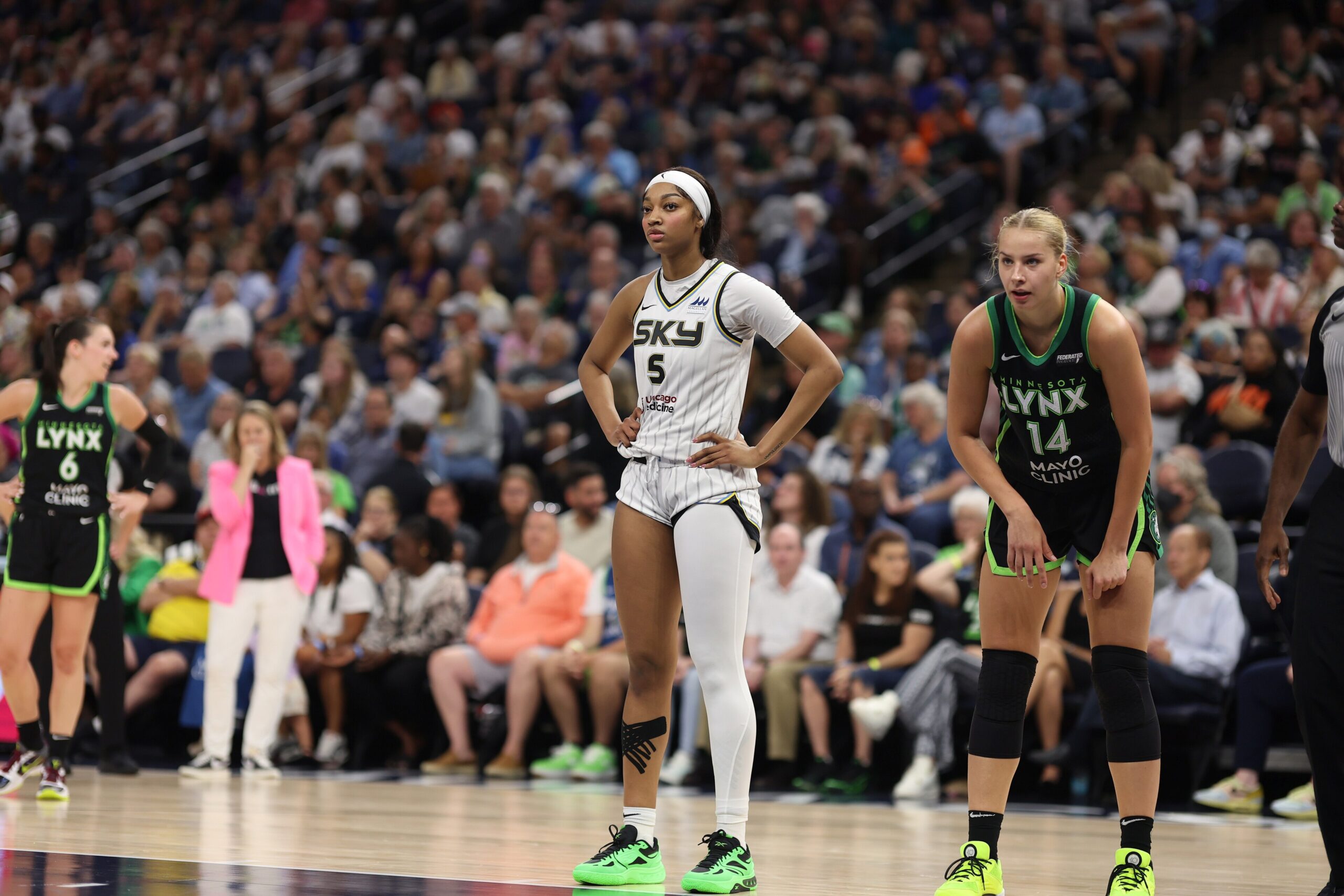
One of the biggest rivalries in the WNBA is between Angel Reese and Caitlin Clark, who have been competing against each other since they were in high school. Their rivalry has been one of the leading factors in the attention that the WNBA has received in recent years but has also resulted in racist and sexist commentary.
Any time Clark is pushed or fouled (even though it happens to all players in the game) she is portrayed as a victim, while the Black and brown women she plays against are smeared as aggressive and jealous
Both Reese and Clark uphold that they have no personal hatred for each other, with Reese explaining, “Me and Caitlin Clark don’t hate each other. I want everybody to understand that. It’s just a super-competitive game. Once I get between those lines, there’s no friends. I’m going to talk trash to you. I’m going to do whatever it takes to get in your head the whole entire game, but after the game, we can kick it.”
Even with clarification, some fans are taking things to extreme levels. Reese, a Black woman, has been characterized as “classless” for her competitive spirit, while Clark, a white woman, has been less criticized for the same kind of braggadocious behavior. Further instigating the tension, Clark has been used by right wing media influencers as an example of someone who experiences “anti-white racism.”
Because the WNBA is filled with women of color and basketball is a contact sport, any time Clark is pushed or fouled (even though it happens to all players in the game) she is portrayed as a victim, while the Black and brown women she plays against are smeared as aggressive and jealous. Charlie Kirk, the now deceased conservative podcaster, at one point posted “Everyone knows Caitlin Clark is being targeted by Black women because she is white.”
And recently, Fox News claimed the WNBA didn’t use Caitlin’s image in a promotional post because of “identity politics.” While Clark has been relatively quiet about her political views, the right wing has been clinging on to her to promote the idea of “reverse racism” and that D.E.I. policies are discriminatory against white people. But even if Caitlin is silent when it comes to political issues, she still has managed to defend her biggest opponent.
After Angel Reese was facing criticism for trash talking, Clark defended her in a post game interview; “I don’t think Angel should be criticized at all…she competed. I think everybody knew there was going to be a little trash talk in the entire tournament. It’s not just me and Angel. We’re all competitive. We all show our emotions in a different way. You know, Angel is a tremendous, tremendous player. I have nothing but respect for her.”
Women’s basketball and sports generally have become a major site of cultural and political debate. As the power of the WNBA grows, the far-right can no longer outright ignore the existence of women’s athletes, but has attempted to take over the stage to further their political goals. Using xenophobia, transphobia, sexism, and racism as their vehicle, they expect to use people’s fears and take control of a league whose very existence was disputed by these very same conservative leaders decades ago.
Women of the WNBA are rejecting this trickery, proving to everyone that women are not weak, passive, or easily controlled. Strength comes through struggle. And today, “fighting like a girl” is no longer an insult, but a winning strategy.
The opinions of the author do not necessarily reflect the positions of the CPUSA.
Images: Collage by Brooklyn Crawford. CC BY-NC 4.0. 240714 Lynx_Fever_JohnMc252 by John McClellan. CC BY-SA 4.0. 240901 Lynx Sky_JohnMc119 by John McClellan. CC BY-SA 4.0. 260517_Lynx_Sky_JohnMc166 by John McClellan. CC BY-SA 4.0. 250914_Lynx_Valkries_playoff rd1_win_JohnMc194 by John McClellan. CC BY-SA 4.0. DeWanna Bonner shoots over defending Lynx players by Lorie Shaull. CC BY 2.0. 250730_Lynx_Liberty_win_JohnMc151 by John McClellan. CC BY-SA 4.0.

 Join Now